What to track when your car is the job
Your app's mileage number was built to describe what the platform can see, not to be your record. The driving on either side of it is yours to prove.
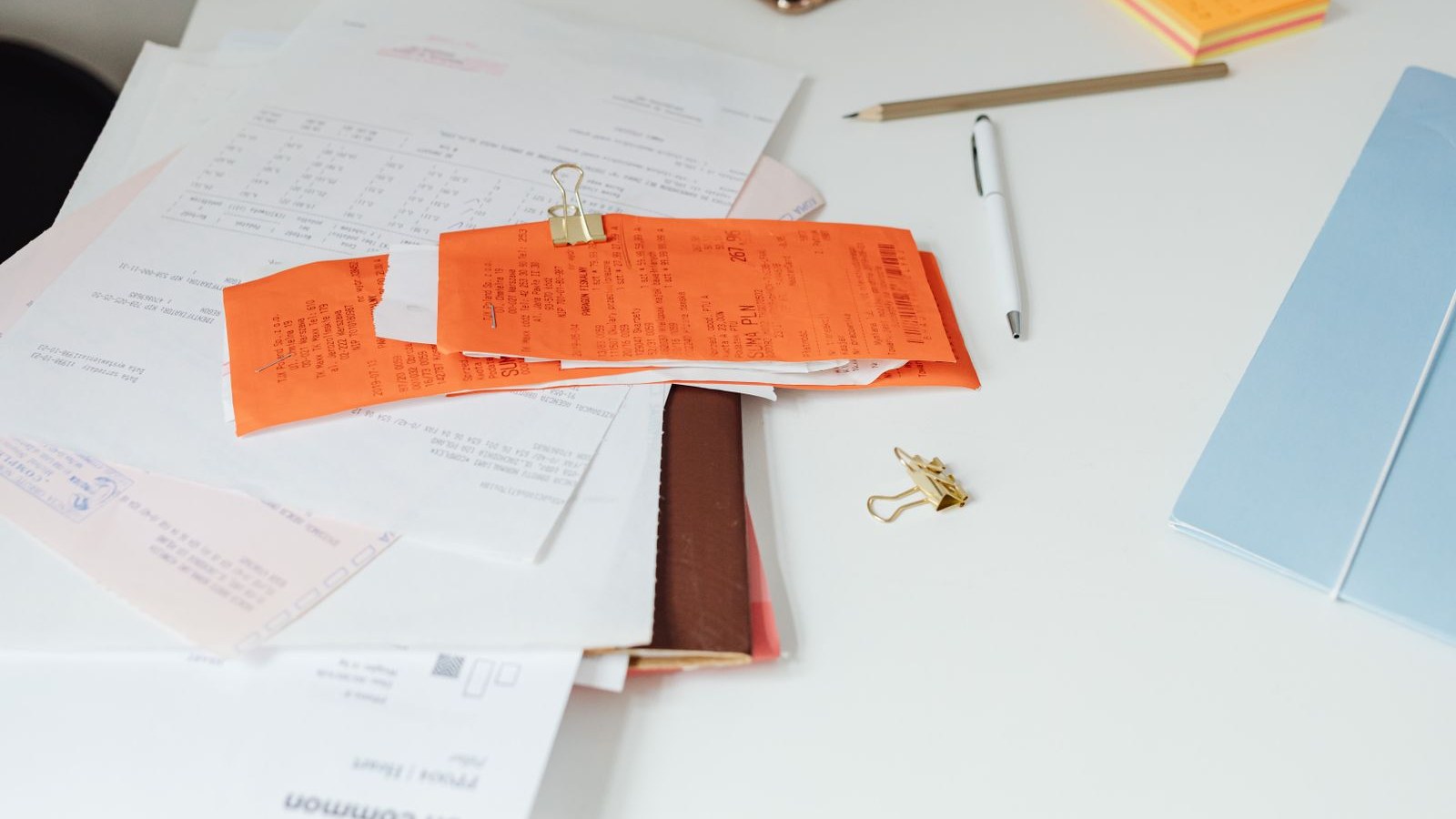
The mistake almost everyone makes in the first year is trusting the summary screen. The mileage number in your weekly earnings was never built to be your record. It describes the slice of your driving the platform can see, which usually means the stretch between accepting an offer and closing it out.
Everything on either side of that is yours to prove: the drive out to the zone, the reposition when the zone goes quiet, the crawl back from a drop that left you 15 minutes outside anywhere worth waiting. Keep only what the app hands you and you have discarded a real share of the driving.
What the app counts and what it quietly drops
Most platform summaries report online or on-trip miles. The clock starts at acceptance or at pickup and stops the second the order closes.
The gaps repeat in the same places. Home to the zone. Zone to zone when the first one dies. The empty miles after a drop in a residential pocket. The drive home at night.
Pull the summary anyway, every month. It cross-checks your figure, and it is the one document you cannot rebuild if your account is closed. Treat it as a second source.
Why a record written the same day beats one built later
A contemporaneous record is one made on the day the driving happened. Its value is not abstract accuracy. Its value is that it carries dates, and dates are the part nobody can add convincingly later.
A reconstruction built from statements and memory is usually incomplete and oddly round. A daily record is messier and more believable. Two minutes at each end of a shift is the whole cost.
The categories worth keeping apart
One running total is the second common mistake: a blended number cannot be taken apart later. Keep these separate, each with a date and an amount:
- Miles, split into personal and work, with the odometer readings behind each.
- Fuel or charging, receipt or statement line, dated.
- Maintenance and repairs, including oil, tires, brakes and anything paid at a shop.
- Tolls, paid at the booth or billed to a transponder.
- Parking, including the garage used because nothing else was open.
- Supplies, meaning bags, coolers, mounts, cables, cleaning and anything else bought for work.
- Phone and data, the monthly bill plus any upgrade the job pushed you into.
- Platform fees, anything the app took out before the money reached you.
What to write down at the start and end of every shift
At the start: the date, the odometer reading before you pull out, the time you begin, which apps you are running, and the zone you are working.
At the end: the odometer reading when you park, the time you stop, trips completed, and any money spent with what it was for. Photograph paper receipts before they go in the door pocket, because thermal paper fades to blank in a hot car.
One extra line, the one people skip: any driving during the shift that was not work. Naming it keeps the rest clean.
The odometer is the spine
Everything else can be rebuilt from receipts and statements. Mileage cannot. A start and end reading for each shift, written at the time, is the one record no bank feed reproduces.
The monthly reconciliation, in order
Set aside 30 minutes on the same date each month, in this sequence.
- Total your shift log. Add the per-shift mileage and the shift count. Note any day you drove and did not log.
- Download the platform summary. One per app, as a file, with the month in the file name. Do not rely on the screen staying up.
- Compare the mileage figures. Yours should be higher. If it is not, shifts are missing from your log.
- Match receipts to categories. File each item under one of the eight, and note anything you cannot place.
- Check fuel against miles. Heavy driving and little fuel spending means a receipt went missing.
- Note anything unusual. A major repair, a week off, a new phone, a zone change. Context written now is context you will not invent later.
- Close the month as one folder. Shift log, summaries, receipt images, notes. Dated and left alone.
Keep these for several years, with a second copy somewhere other than the phone.
If you are six months in with nothing
Start today rather than starting over. A record that begins in July beats an intention to reconstruct January.
Then recover what you can: card statements for fuel and tolls, service records from the shop, summaries that still download, timestamped photos that place you somewhere on a given day. Write down what you reconstructed and how, and keep that note with the figures. Saying which part is estimated beats a tidy number with nothing behind it.
The record does not have to be beautiful. It has to have been written on the day, and it has to still exist years later.
Who this record is actually for
This is not tax advice, and nothing here says what any rule allows or what an expense is worth. No rates, thresholds or amounts appear above, because those are not ours to give.
What a good record does is put a qualified person in a position to do their job. A tax professional who works with self-employed and platform workers can tell you which categories matter in your situation, how your state treats any of it, and what your records support. Bring them the folders. The answer will be shaped by how good the folders are.
General information about work in the United States, not legal, tax, immigration, medical or financial advice. Pay, hours, leave and licensing rules differ by state, by city and by contract, and change over time. Check anything here against your own documents and, for anything you would act on, take advice from a qualified professional in your state. Get in touch with any questions about this post.