
Seasonal holiday jobs: who gets kept in January, and how to be one of them
Most holiday jobs end in January, and the numbers say so plainly. The few that continue go to people who asked the right question early and were easy to schedule late.
What specific jobs actually involve day to day, and how people get into them.
A job title tells you very little about the work. This section looks at specific hourly jobs from the inside: how a warehouse rate is measured, why the shift matters more than the employer in security work, how housekeeping, front desk and banquets pay differently inside one hotel, and what a home care schedule really looks like across a day. It also covers the routes in, from where different kinds of jobs are actually posted to the questions a hiring manager asks in a fifteen-minute interview. If you are deciding between two kinds of work, or about to start one, these guides describe the parts the job posting leaves out.
Most holiday jobs end in January, and the numbers say so plainly. The few that continue go to people who asked the right question early and were easy to schedule late.

Getting hired is the easy part. The rate decides whether you stay, and in some states you have the right to see it in writing.

Plenty of these jobs never reach the big job sites. Schools, governments, unions and hotels each post in their own place, and the people who check those places get the early interviews.

It often lasts fifteen minutes and can end with an offer on the spot. The manager has a hole in the schedule, and every question is a version of one thing: will you show up and stay.

A school job is priced by the day, not the year. The contract calendar and the payroll spread decide more about your life than the job title does.

The schedule that looks like thirty hours is often twenty-two paid hours spread across forty hours of your day. That gap is the job's real shape.

Two guards with the same badge and the same employer can have completely different jobs. The site and the shift decide almost everything about the work.
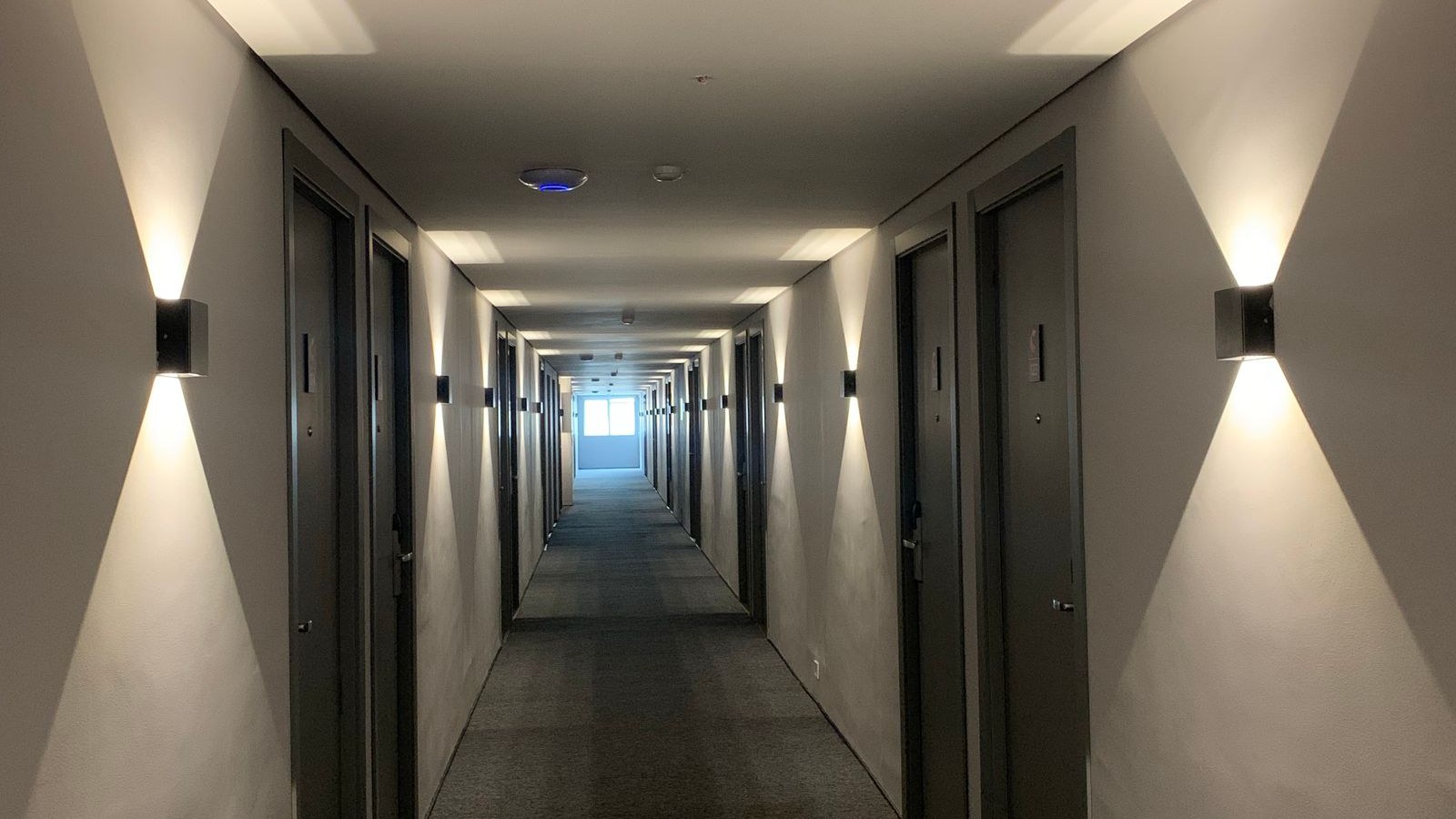
One building, one badge, three pay structures. Moving between departments inside a hotel can change your earnings more than moving to another property.

The rung that changes your life is not assistant manager. It is key-holder, where the responsibility arrives well before the authority or the title do.

Angry callers are the part you get used to fastest. What ends most support jobs is a scorecard, and most of what it measures is time rather than outcome.