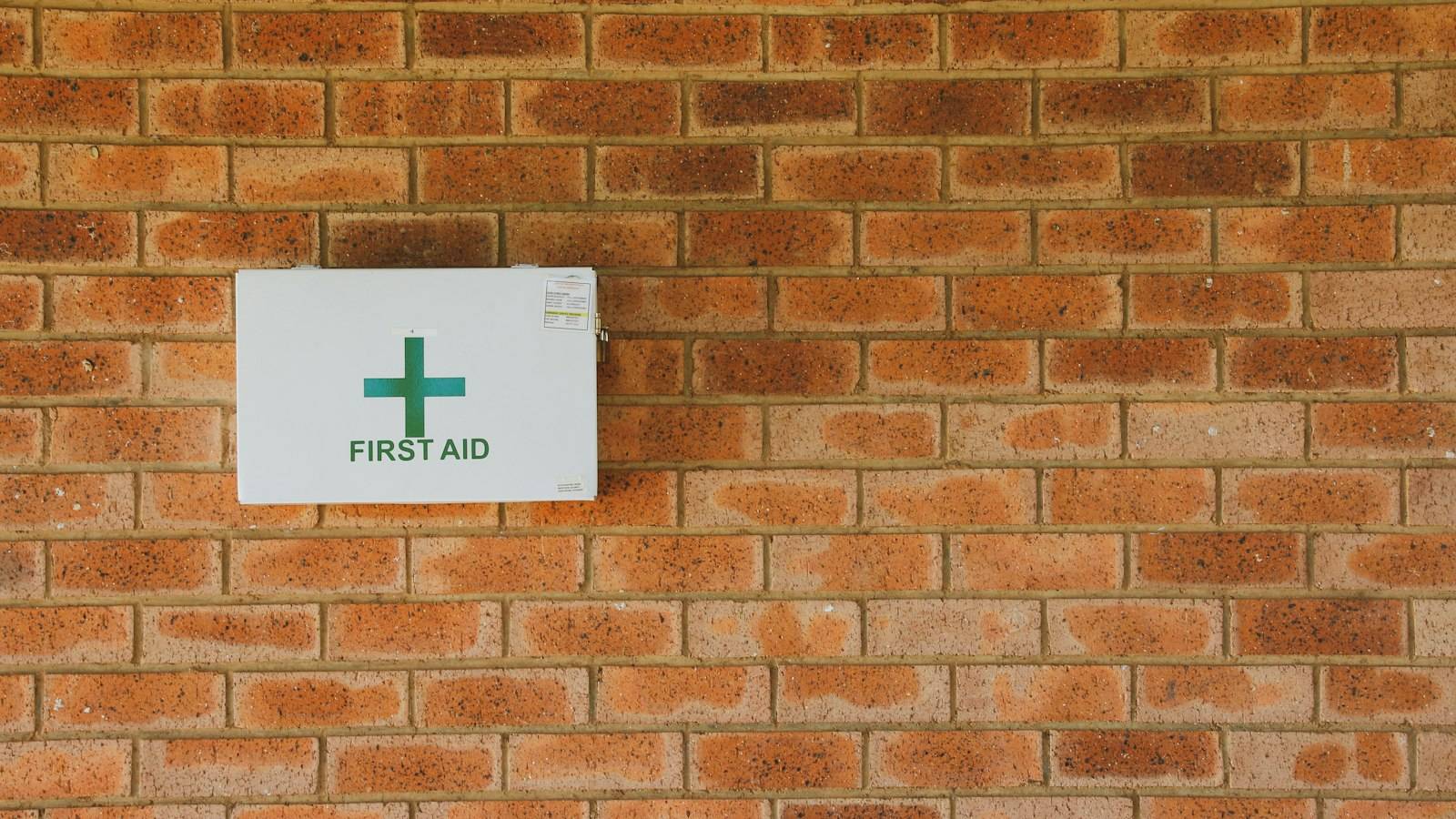
Hurt at work: what to report the same day, and what workers' comp pays while you heal
Most work injuries start small and go unreported. Telling your employer in writing on the first day is what keeps your medical bills and lost pay covered later.
Managers, coworkers, the handbook, HR, safety, and the day the wheels come off.
Most problems at work are settled by whoever has the clearest written record, not by who is right. The guides in this section are about building that record calmly and early: what to write after an HR meeting, how to log a difficult colleague in a way someone else can use, the four handbook sections that decide real money, and the message to send in the first hour after something breaks. There is also a plan for a first one-to-one with a new manager, a short way to turn down work that is not yours, what to do when you see something unsafe, and what to report the same day if you are hurt on the job. None of it requires a confrontation. Most of it takes ten minutes and a notes app.
Most work injuries start small and go unreported. Telling your employer in writing on the first day is what keeps your medical bills and lost pay covered later.

No federal rule sets a temperature where outdoor work stops. What protects you is the right gear, warm breaks, and knowing which costs are yours and which are not.

HR is not your enemy and not your advocate. The meeting produces a record, and unless you make one too, theirs is the only version that survives.

Nobody reads a handbook on the day it matters. Four sections decide real money and real risk, and each one takes about five minutes.

A decline gets overturned because it was too long, not because it was too blunt. Every extra reason you give is one more thing to argue with.

Most records of a difficult colleague are long, written from memory, and useless. A usable one is short, dated, boring, and written the same day.
The first hour is not for fixing it. It is for making sure nobody finds out from a customer, and that is a writing job, not a repair job.

Eight questions for one meeting, sequenced so the two that matter most are still answerable by the time you get to them.

What decides how a hazard gets handled is rarely how bad it is. It is whether a dated written record exists, and who got told in what order.