Working outside in the cold: what your employer has to provide, and what you bring yourself
No federal rule sets a temperature where outdoor work stops. What protects you is the right gear, warm breaks, and knowing which costs are yours and which are not.
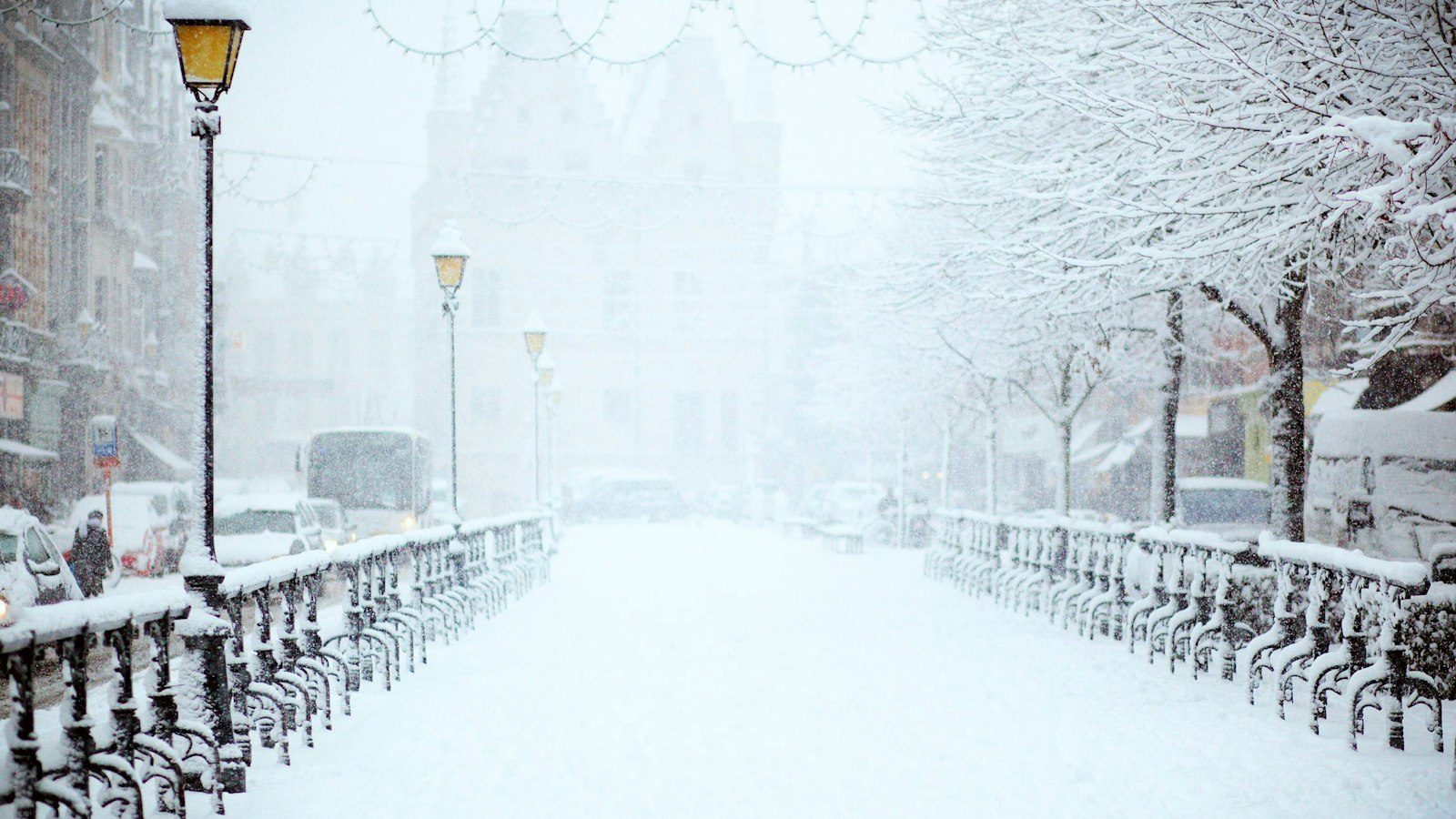
Winter changes a lot of hourly jobs. Delivery routes, construction sites, parking lots, ramps, yards and security posts all get colder and wetter, and so do loading docks and the doors of every warehouse. Some jobs, in freezers and cold storage, are cold all year.
Most of the protection you have comes from three things: knowing the warning signs, knowing what your employer has to provide, and asking for warm-up breaks before you need them.
There is no federal temperature limit
OSHA, the federal workplace safety agency, has no rule that sets a temperature below which outdoor work has to stop. Instead, employers have a general duty to protect workers from recognized hazards, and OSHA treats cold stress as one of them.
That means the question is not how cold it is on the thermometer. It is whether your employer has done what it reasonably can: training, breaks, warm places to recover and gear that matches the conditions. A few states run their own workplace safety programs and can set stricter rules, so your state safety agency is worth checking if you work outside all winter.
What the cold does, and the signs to watch for
Wind and wet clothing make cold far more dangerous than the temperature alone suggests. Wind pulls heat away from the body faster, and wet skin or clothing, including sweat, loses heat faster still.
| Condition | What it looks like |
|---|---|
| Hypothermia | Shivering that will not stop is the early warning. It can move on to confusion, slurred speech, clumsiness and drowsiness. Call 911. Get the person somewhere warm, swap wet clothes for dry ones and wrap the whole body except the face. |
| Frostbite | Numb skin that turns red, then pale, gray or waxy, usually on fingers, toes, ears, nose and cheeks. Move somewhere warm and get medical care. Do not rub the skin or try to rewarm it yourself. |
| Trench foot | Red, swollen, numb or blistered feet after hours in wet socks and boots. It can happen at temperatures as high as 60°F if the feet stay wet. Take off the wet boots and socks, dry and raise the feet, and get medical care. |
The person in trouble is often the last to notice, because cold slows thinking down. That is why OSHA recommends that people working in the cold watch each other, not just themselves.
Who pays for the gear
Federal safety rules say that when protective equipment is required for the job, the employer provides it at no cost to you. The same rule then lists exceptions, and ordinary weather gear is one of them. Winter coats, jackets, gloves, parkas, rubber boots, hats and raincoats used only to protect you from the weather are yours to buy.
Two situations work differently:
- Freezers and cold rooms. Clothing for working in a freezer or another space kept cold on purpose is not weather gear. OSHA has said that exception does not cover it, so freezer suits and similar gear the job requires are the employer's to provide.
- Unusually severe conditions. OSHA has also said that in the rare case where ordinary weather gear is not enough, the special equipment needed is the employer's cost.
Anything the job requires for a hazard other than weather, such as insulated gloves for handling frozen metal or a hard hat liner the site requires, follows the normal rule. Ask before you buy it yourself.
Warm-up breaks, and whether they are paid
OSHA recommends that employers schedule frequent short breaks in warm, dry places, plan the hardest outdoor work for the warmest part of the day, pair people up so they can watch each other, and provide warm, sweet drinks that are not alcoholic.
No federal law requires employers to give breaks. But when they do give short ones, of about 5 to 20 minutes, federal law counts that time as paid work time. Some states require rest breaks of their own. Breaks and meal periods covers what your schedule should show.
If breaks are not happening, asking early in the season is easier than asking on the worst day:
"Hi [manager's name], with the wind it's been well below freezing on [site or route]. Can we set short warm-up breaks every [hour or two] in [the break room, truck or trailer]? It would help us keep pace without anyone getting hurt. Thanks."
What to bring on a cold shift
Layers you can take off before you sweat, a hat that covers your ears, waterproof boots with room for a thick sock, and a spare pair of dry socks and gloves in a bag. Wet clothing makes every cold injury more likely, so staying dry matters as much as staying warm.
If conditions are dangerous
Tell your supervisor first, and put it in writing if you can: what the conditions are, how long you have been out in them, and what you are asking for. If it is not fixed, you can file a complaint with OSHA online, by phone or at a local office.
Refusing to work is protected only in narrow cases. OSHA says all of these have to be true: where possible, you asked the employer to fix the danger and it did not, you honestly believe there is an imminent danger, a reasonable person would agree there is a real risk of death or serious injury, and there is no time to get it fixed through a normal inspection.
Report any cold injury the day it happens, even if it seems small, and keep a note of who you told. Federal law says an employer must not punish you for reporting an injury or a safety concern. If it happens anyway, you have 30 days to file a retaliation complaint with OSHA under federal safety law. Speaking up about something unsafe covers what to write down.
Wind, wet clothes and no time to warm up are what turn a cold shift into a dangerous one.
Sources
- OSHA: Winter weather, cold stress
- OSHA: Cold stress guide
- OSHA: 29 CFR 1910.132, personal protective equipment, including payment
- OSHA: Employer payment for personal protective equipment, final rule (2007)
- U.S. Department of Labor: Breaks and meal periods
- OSHA: Workers' right to refuse dangerous work
- OSHA: File a complaint
General information about work in the United States, not legal, tax, immigration, medical or financial advice. Pay, hours, leave and licensing rules differ by state, by city and by contract, and change over time. Check anything here against your own documents and, for anything you would act on, take advice from a qualified professional in your state. Get in touch with any questions about this post.