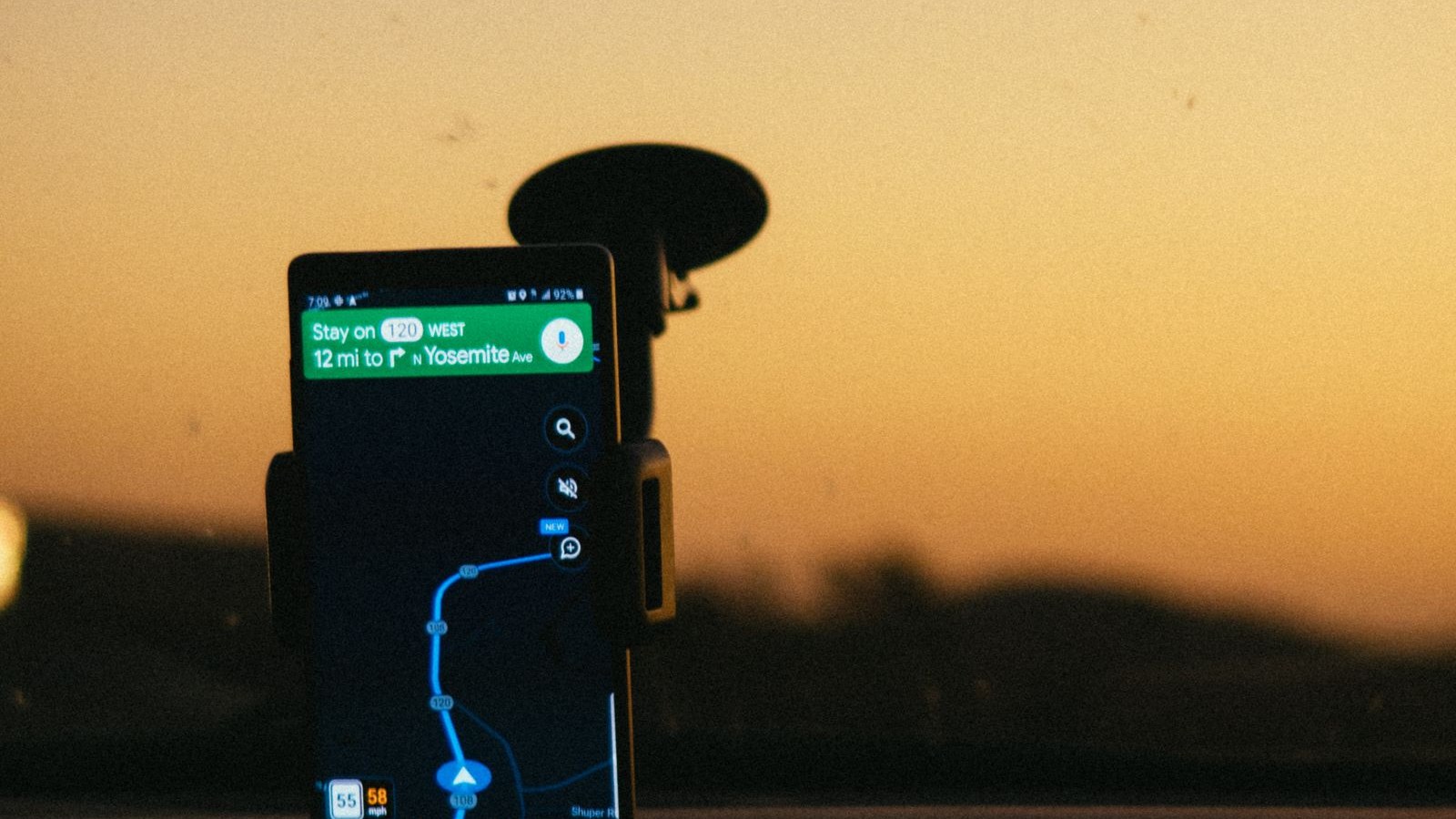
What a delivery app pays once the car is paid for
The advertised hourly figure usually counts only active time and never counts the car. Here is how to work out your own number from one week of records.
App-based work pays differently from a regular job, and most of the difference is in costs the app does not show you. The posts here help you work out what you actually earn: how to calculate real hourly pay once the car is counted, what to track for mileage and expenses, how bonuses and acceptance rates change what you take, and when running two apps at once helps or hurts. They also cover the difference a 1099 makes compared with a W-2, and what to do if a platform deactivates your account, including the records an appeal needs.
The advertised hourly figure usually counts only active time and never counts the car. Here is how to work out your own number from one week of records.
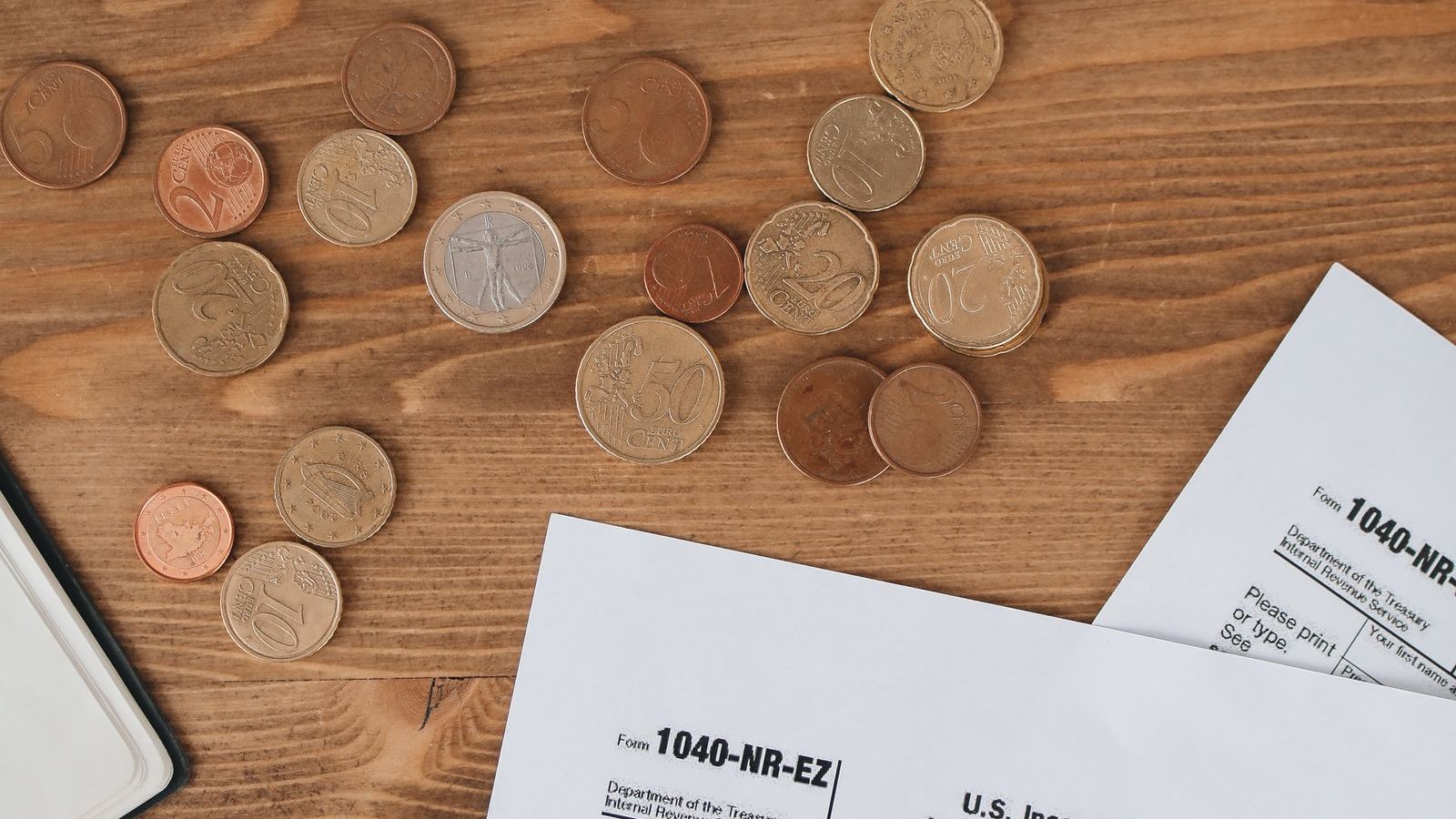
The tax is the visible difference and rarely the biggest one. Six things change when work is paid on a 1099, and the label does not decide which you are.

Your app's mileage number was built to describe what the platform can see, not to be your record. The driving on either side of it is yours to prove.
A second app does not double your offers. It doubles your decisions, and the money is made in the dead time, not while you are carrying someone's order.
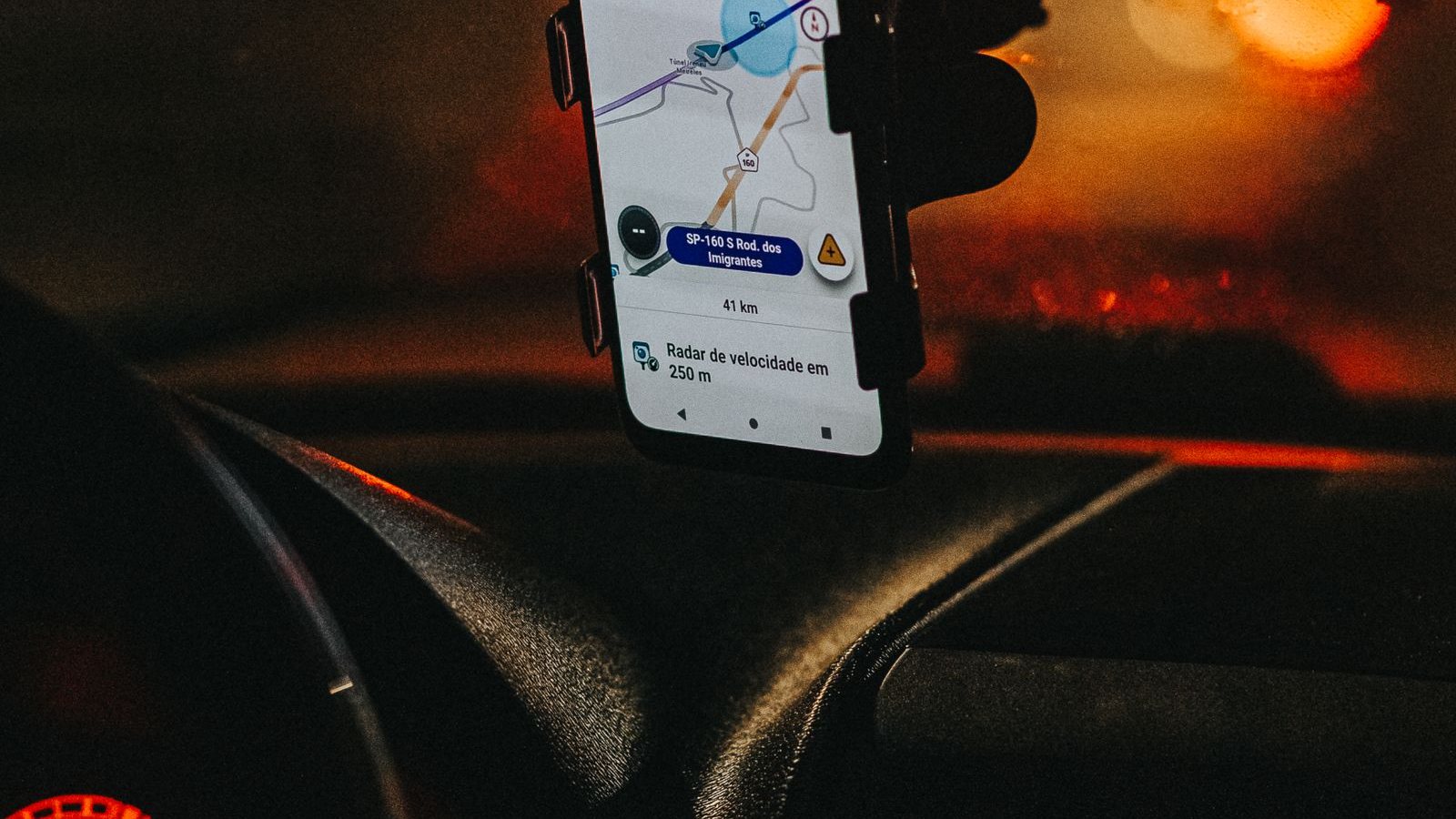
A bonus does not pay you extra for the work you were already doing. It pays you for changing what you accept, and that change is where the money goes.
An appeal is not a hearing. It is a request to reopen a file, and it only works if you saved the records while your account still opened.