
Working from another state: what your employer actually cares about
The objection is rarely about trust. It is payroll registration, workers' comp and unemployment insurance, and it comes with a lead time.
Remote work is an arrangement, and like any arrangement it has terms. The posts here help you understand and protect them: what an employer worries about when you want to work from another state, how to read a posting that only says remote, how to propose remote days in one page, and what makes hybrid schedules last. They also cover being visible to a manager who rarely sees you, setting up a workspace at home without spending much, and the metrics that decide whether people last in call center and support work.
The objection is rarely about trust. It is payroll registration, workers' comp and unemployment insurance, and it comes with a lead time.

A proposal that argues for remote work loses. Write the coverage guarantee instead, with an override, a review date and a stated way to end it.

The expensive things people buy first are not what change a working day. Heights, light, sound and a second surface do, and three of the four are free.

The word remote is a recruiting term, not a fact about the job. The real arrangement is three paragraphs lower, written in language that avoids the word.
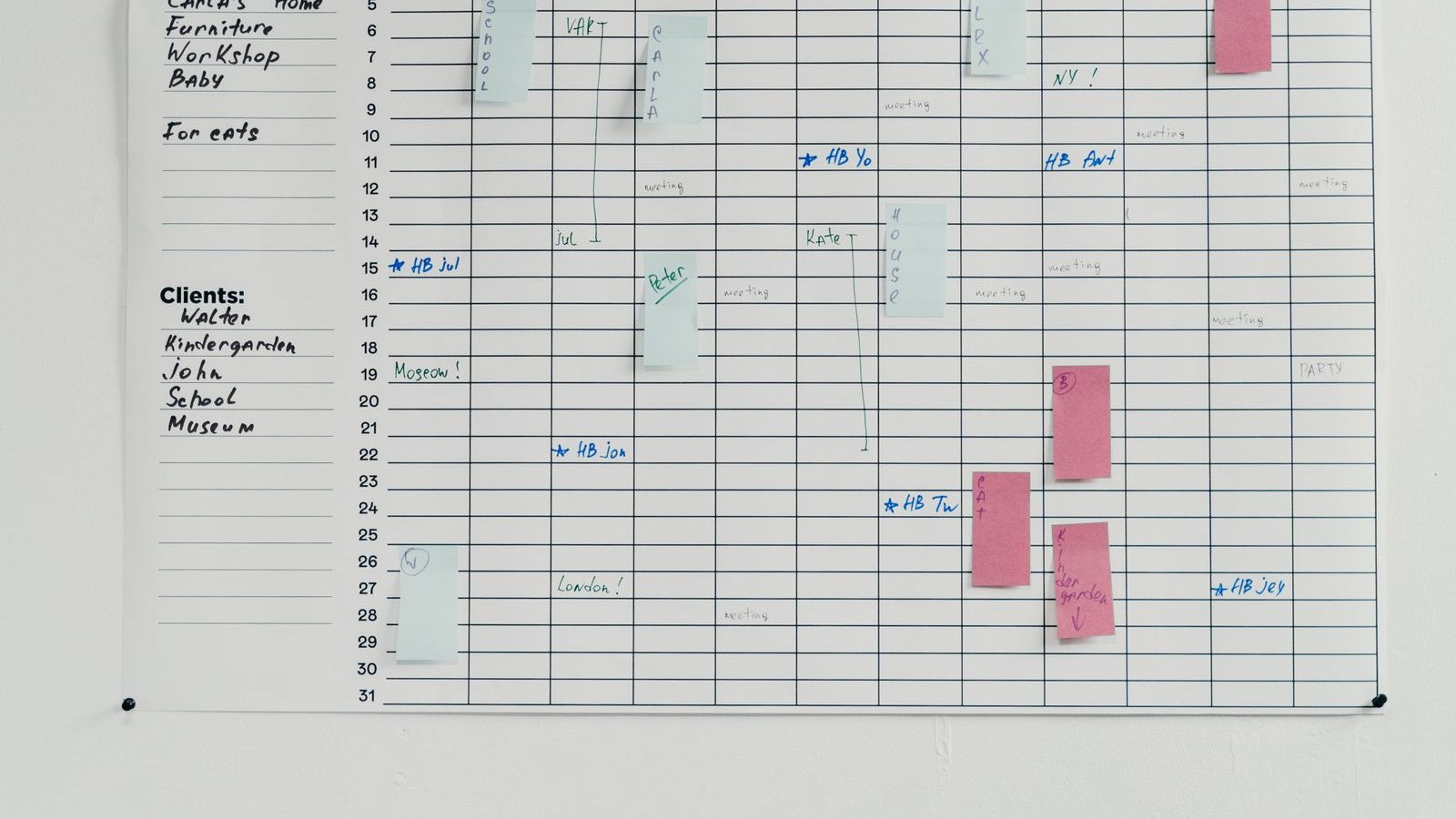
A team's hybrid schedule collapses when the office day stops being worth the drive. That is a coverage problem, and tightening the rule makes it worse.

Angry callers are the part you get used to fastest. What ends most support jobs is a scorecard, and most of what it measures is time rather than outcome.

A green dot measures your mouse. What a manager can actually repeat about you is built from writing that travels, and that takes one note a week.